Botox (botulinum toxin type A) relaxes specific expression muscles in small doses, softening the lines that appear when you move your face. A good result depends less on the product than on three medical decisions: are the lines really caused by muscle movement, which muscles should be treated, and how many units soften them while keeping your natural expressions?
What is Botox and how does it work?
Botox is a purified protein that temporarily blocks the nerve signal that makes a muscle contract. When the muscle behind a line relaxes, the line gradually softens. It usually starts working within 3 to 5 days, peaks at around two weeks and typically lasts 3 to 4 months, after which the muscle gradually returns to normal movement.
Who is Botox for?
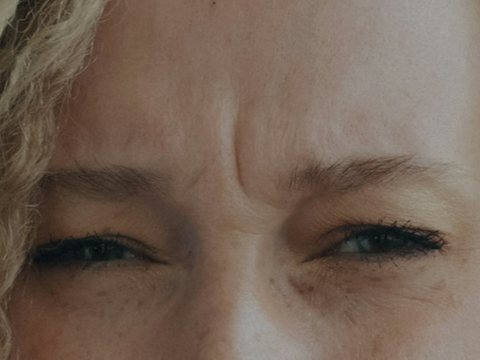
- Frown lines between the eyebrows.
- Horizontal forehead lines.
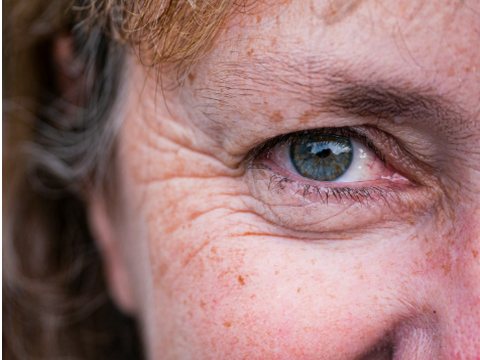
- Crow's feet around the eyes.
- A subtle lift of the tail of the brow.
- Prominent neck bands.
- Enlarged masseter muscles, with a wide jaw or teeth grinding (a common off-label use, decided after assessment).
- Excessive sweating of the underarms or palms.
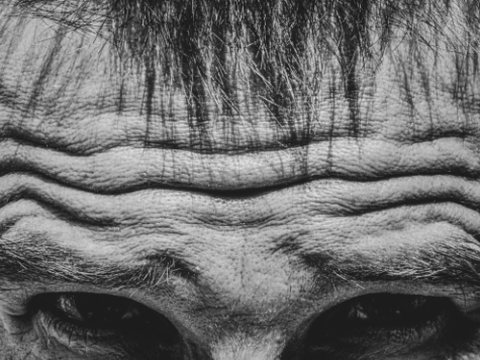
The key rule: Botox treats dynamic lines, the ones that appear with movement. Deep static lines that remain when the face is at rest, or loss of volume, usually need a different treatment such as filler or bio-stimulators, or a combination.
When is Botox not suitable?
- Pregnancy and breastfeeding.
- Neuromuscular conditions such as myasthenia gravis.
- Infection or inflammation at the injection site.
- A previous allergy to any ingredient in the product.
- Certain medicines that interact with Botox, which is why we ask about everything you take.
- Unrealistic expectations, such as a permanent result or a completely different face.
How we decide: the assessment before any injection
- We look at your face moving and at rest: frowning, raising the brows and smiling show which lines are dynamic and which are static.
- We assess the strength and direction of each muscle: a strong muscle needs more than a weak one, and men usually need higher doses because of greater muscle mass.
- We check symmetry: many faces differ slightly between sides, so each side is dosed on its own.
- We review your health history and medicines, and any previous treatments and how you responded.
- We agree the goal: natural softening that keeps your expressions, not a frozen face.
Types of Botox: is one better?
Several approved botulinum toxin type A products exist, including Botox, Dysport, Nabota and Xeomin. They all work the same way, but differ in:
- How units are counted: units are not interchangeable between brands, so one unit of one product does not equal one unit of another. Comparing "number of units" between clinics using different products is therefore misleading.
- Spread within the injected area, which influences which product suits which area.
- Formulation: some products contain no complexing proteins.
No product is "stronger" in absolute terms. What matters is the right product for the area, the right dose for that product, and the doctor's experience with it.
The dose: how is it decided?
Botox is measured in units, and there is no single number that suits everyone. The dose is set for each area and each person after examination, based on:
- Muscle strength and size: a strong muscle needs more than a weak one.
- The area itself: each part of the face behaves differently.
- Symmetry: the dose sometimes differs between the two sides.
- Your goal: light softening that keeps movement, or a smoother result.
- Previous experience: how you responded to earlier treatments, if any.
At a first session we prefer a measured dose and fine-tuning at review rather than overdoing it from the start.
What happens during the session
- Consultation and photographs: the assessment above, with before photographs for comparison.
- Preparation: the skin is cleaned and disinfected, and numbing cream or cooling can be used if you prefer.
- Injection: with a very fine needle. The session usually takes 10 to 15 minutes and feels like a light pinprick.
- Straight afterwards: small red marks may appear and fade within minutes to an hour. You can return to normal activities.
- Review at two weeks: to assess the result and make any small adjustment if needed.
Aftercare
- Do not massage or press on the treated area for 24 hours.
- Avoid lying flat for 4 hours after the injection.
- Leave strenuous exercise and high heat (sauna) until the next day.
- Make-up can be applied after a few hours.
Side effects and how we manage them
Most effects are mild and temporary: redness or a small bruise at the injection site, and occasionally a mild headache. Less common effects include a temporary droop of the eyelid or brow, or slight asymmetry, which usually improve within weeks and some can be adjusted. Careful assessment and measured doses greatly reduce these risks. If you have difficulty swallowing, breathing or speaking after treatment, seek emergency care immediately; this is very rare at cosmetic doses.
Frequently asked questions
Will my face look frozen?
Not with a measured dose. The aim is to soften lines while keeping natural expressions, which is why each muscle is dosed individually.
How often should I repeat it?
Usually every 3 to 4 months, when movement starts to return. We do not recommend injecting more often than that.
Does Botox stop working over time?
Rarely. Antibodies against Botox are uncommon at cosmetic doses, and the risk is lower when high and frequent doses are avoided.
Is it suitable for men?
Yes. Men usually need higher doses because of stronger muscles, while keeping a natural masculine look without an over-arched brow.
What is the difference between Botox and filler?
Botox relaxes the muscle causing the line; filler restores volume and support. Many people benefit from both. Read: Botox vs Filler